

I have written many posts agreeing with and building on top of Cal Newport’s work. This is not one of them.
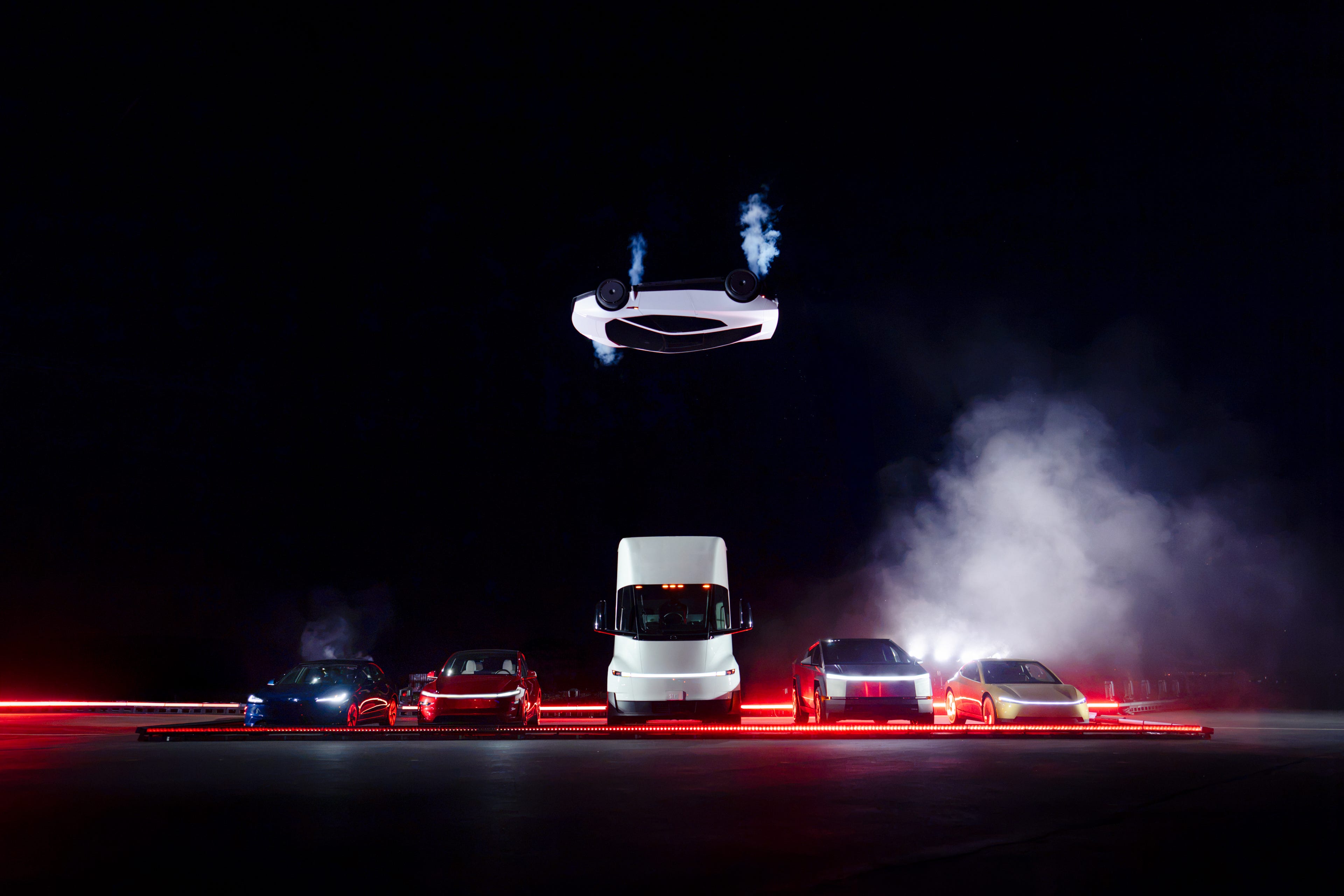
In Why Did Big Tech Stop Building Useful Products?, Cal commented on Tesla’s unveiling of the next-gen Roadster on October 15, 2026, at SpaceX’s test site in Texas.
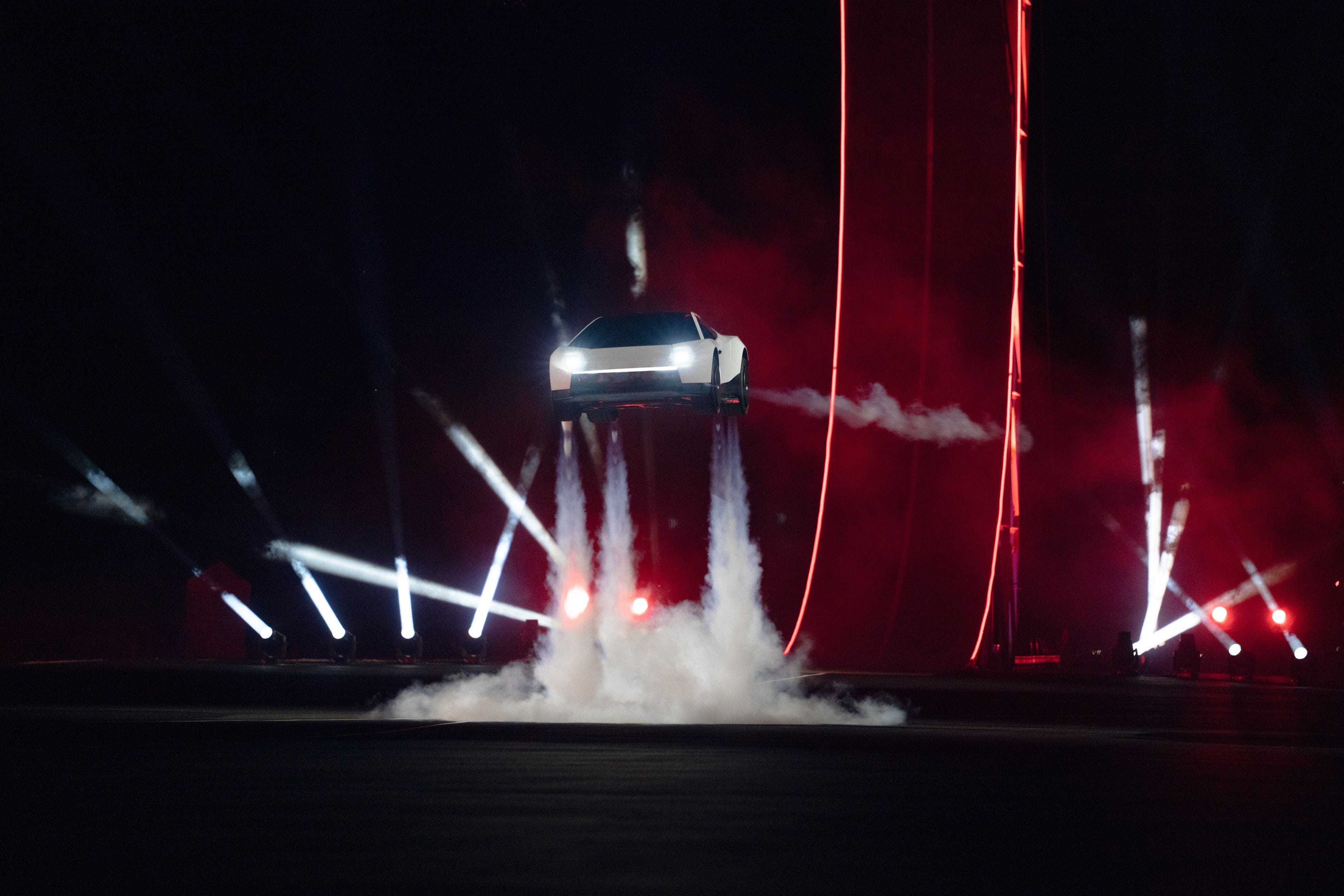
Tesla’s recent demo of a rocket-powered Roadster doing a kickflip over a parked car touched a nerve in me. It seemed to epitomize changes to the tech sector in recent years that have been largely negative.
Cal asks how we got from Steve Jobs introducing the iPhone to Elon Musk showcasing a car flying over — correction — five vehicles. His answer is that tech companies have stopped trying to improve the present and are busy “inventing the future” instead. And he doesn’t like that.
I get where Cal is coming from. There is a lot of vaporware dressed up as the future these days. As he puts it:
We get companies humble bragging about how rogue their rogue AI agents are, and the other company will try to out-rogue them. Well, ours are even more rogue than yours.
[…]
It doesn’t matter. They’re just trying to show you that they’re being futuristic. They’re not trying to create products that they can convince you will actually make your life better.
I share the frustration at the fear-mongering tactics used by companies with “rogue AIs”, which I can only explain as a perverse push for regulatory capture.
Where I part ways with Cal is in lumping the flying Tesla in with the rest.
When I saw it, it was not frustration that hit me. It was awe.
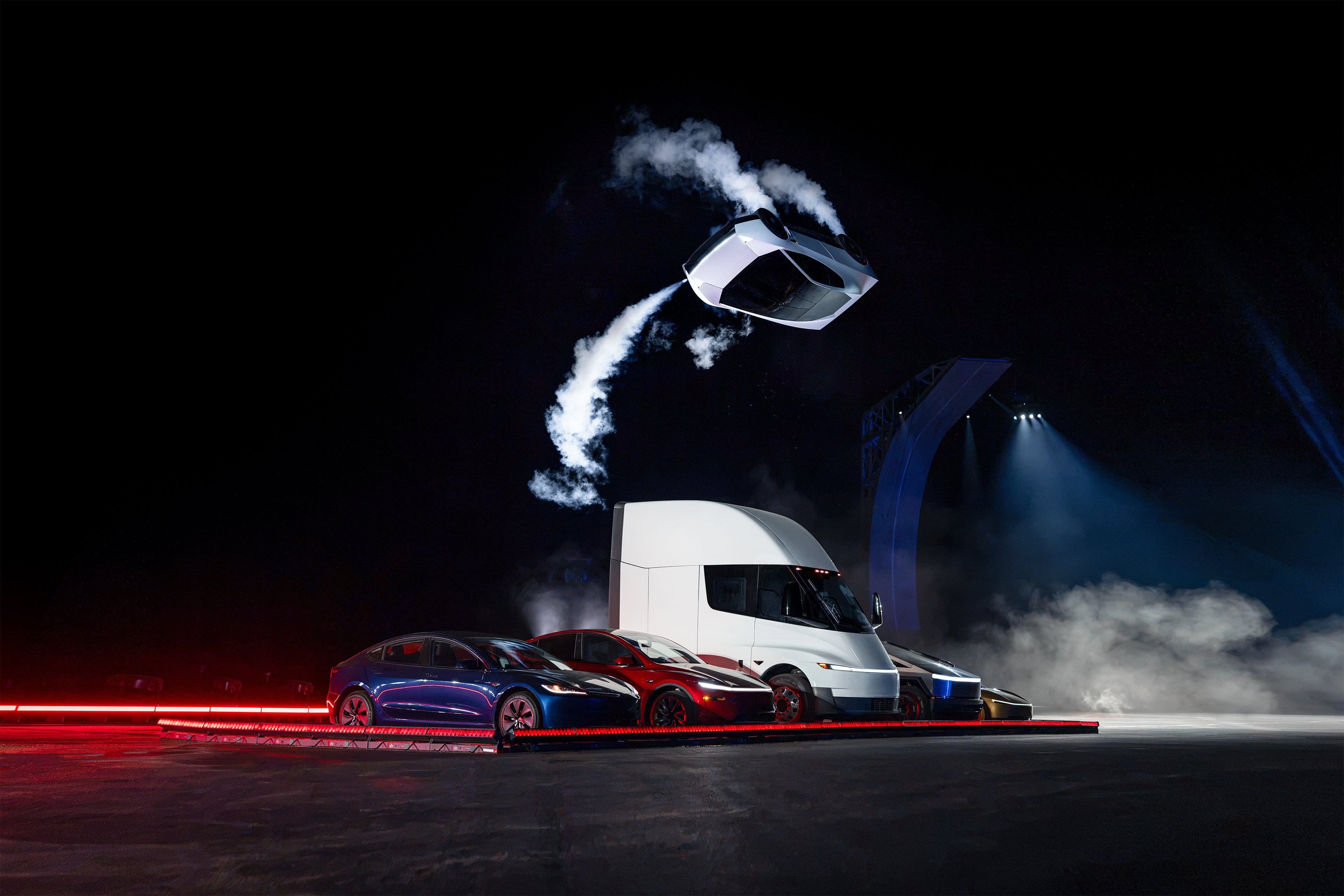
Granted, that feature is pure spectacle. Imagine trying to overtake a car on the highway with a flying kickflip: You’d spill your coffee and hurt your neck. Completely impractical.
But practicality is not the point; progress is.
The demo, a Tesla and SpaceX collaboration, was an outstanding technical achievement — impractical, yes, but outstanding. We cannot predict which innovations will happen downstream of that. Maybe it will be only a few, or maybe some discovery made along the way will create whole new businesses. But even if nothing comes out of it, Mitchell Hashimoto’s comment on software applies here, too: The pursuit of excellence does not need justification.
Cal says, “We don’t need companies to invent the future. Let R&D labs do that.” Why not both? Why not R&D departments of publicly quoted companies? If new knowledge is what we get out of it, does it matter if the motivation was self-aggrandizing spectacle?
Cal’s reaction is something I would expect when seeing Apple announce their latest batch of Memojis, not when seeing a flying car. Of all the marketing stunts that we ought to roll our eyes at, this is not the one.
Maybe it was not the case in Cal’s circle, but every single person I spoke with about it was galvanized by it — regardless of their opinion of Elon. The effect on my kids was even more uplifting. Pure excitement at sheer awesomeness.
So, hat tip to the Tesla and SpaceX engineers that made this possible. And hat tip to Elon Musk for being at the helm.
Sure, the time that went into it could have been spent making the car a bit cheaper or a bit safer, but I believe that white beauty spinning in the air and landing amidst a cloud of smoke did something for many of us that no incremental improvement ever could. It reminded us that with enough ingenuity we can achieve anything that the laws of physics allow. It made us dream again.
What’s your take on the flying Roadster? Did you come away from it inspired or irritated? Let me know in the comments or get in touch on X.
All images sourced from https://www.tesla.com/tesla-gallery.